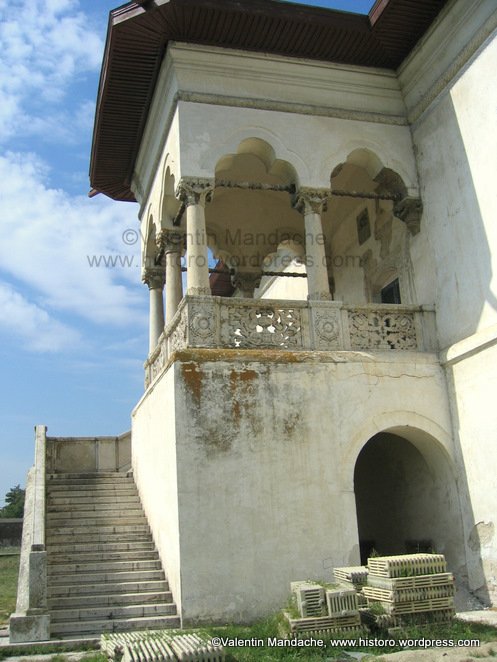
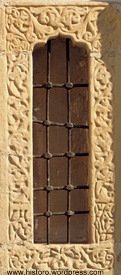
 The Wallachian, also known as Brancovan, architectural forms, which unfurled in the period between the mid-c17th and the beginning of the c19th, epitomised a sublime relation between symbols representing the way of life of that period and the belief system peculiar to the place in which they took shape, namely the Principality of Wallachia. The architecture of those edifices mirrored the spiritual universe and psychology of those who erected them and the communities for whom they were built. That is the reason why the symbolism of those monuments contains the answer to the question why the architecture, especially the ecclesiastical design, has acquired a unique language during a period stretching from the end of the 17th c to the beginning of the 19th c (between the Second Vienna Siege, and the Napoleonic Wars), leading to the emergence of what we call today the Wallachian style, intrinsic to that principality and pivotal to the underpinning, in the modern era, of the Neo-Romanian style.
The conceptual tools employed in analysing the architectural phenomenon of that age in central and western Europe are, in my opinion, not wholesomely adequate in examining the stylistic complexity of the Wallachian style buildings, where a more Read more